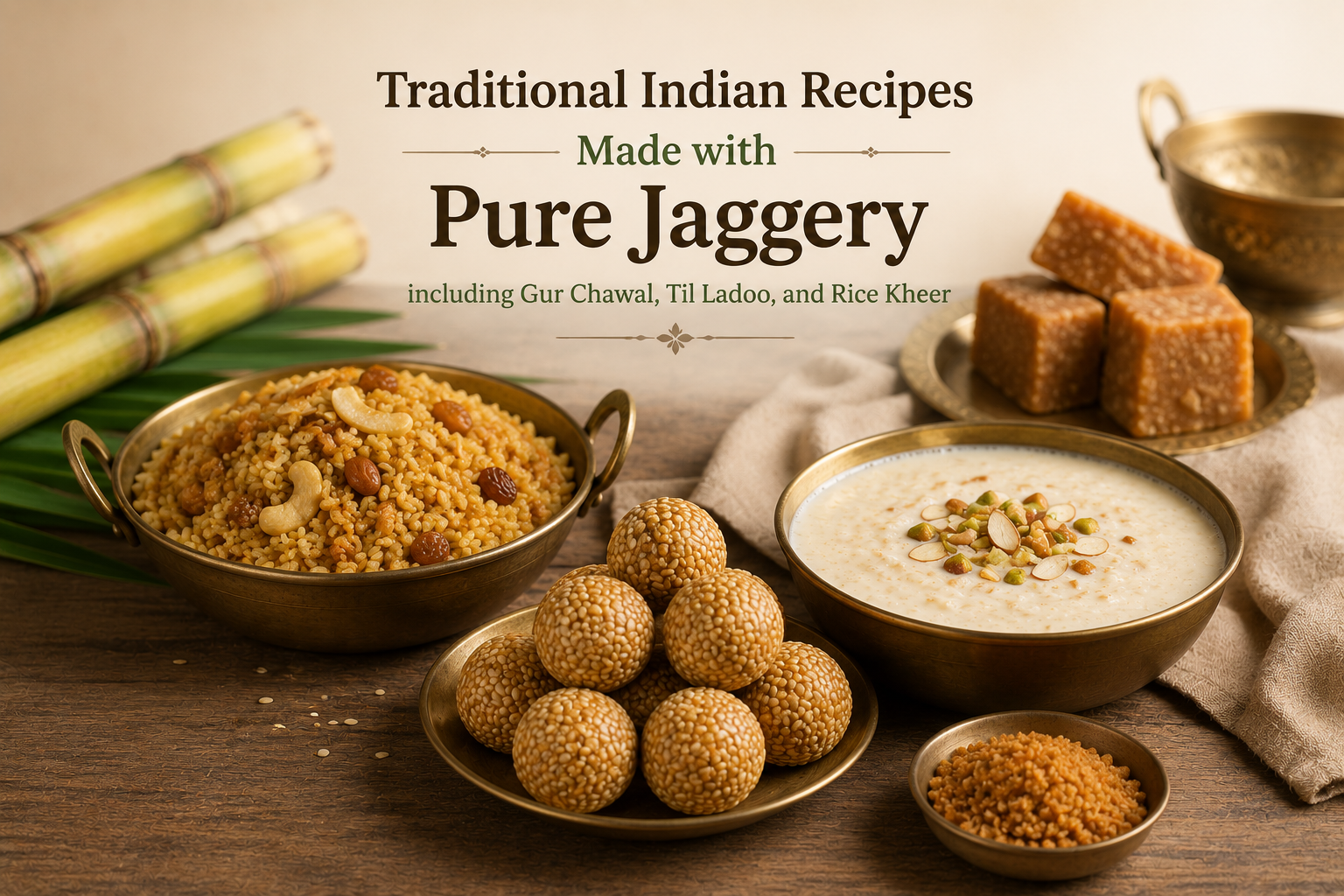
Gur Chawal, Til Ladoo, and Rice Kheer Detailed Recipes with Pure Jaggery
Traditional Indian desserts have long been made with pure jaggery, prized for its natural sweetness and rich caramel-like flavor that enhances every bite. Unlike refined sugar, pure jaggery brings warmth and character to homemade recipes while preserving their authentic taste. At Magic Jaggery, our team has spent more than four years working closely with jaggery production, from fresh sugarcane juice to hygienic packaging. This hands on experience has taught us that choosing good quality jaggery can make a noticeable difference in the texture, aroma, and flavor of traditional dishes. In this guide, you will learn three classic recipes that continue to be family favorites across India.
Table of Contents
Why Cook with Pure Jaggery
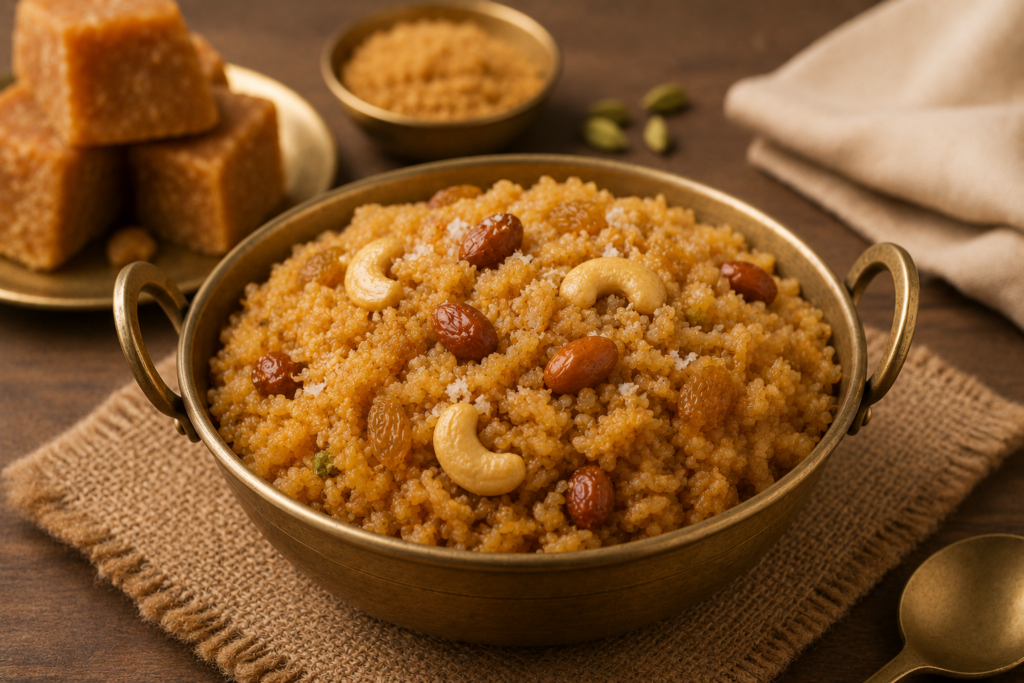
Gur Chawal Recipe
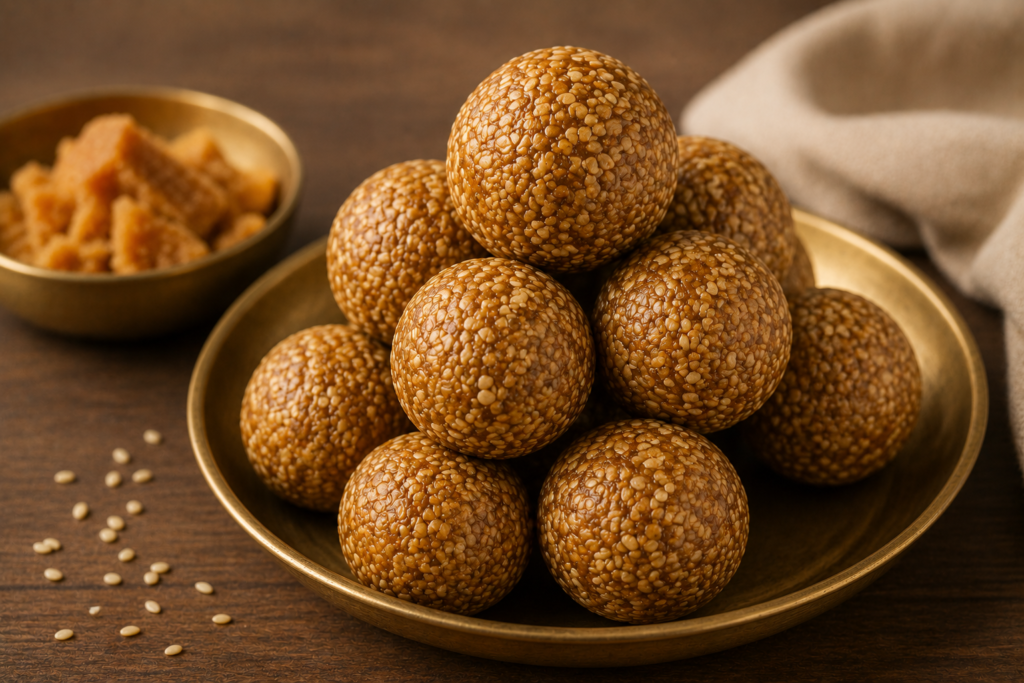
Til Ladoo Recipe
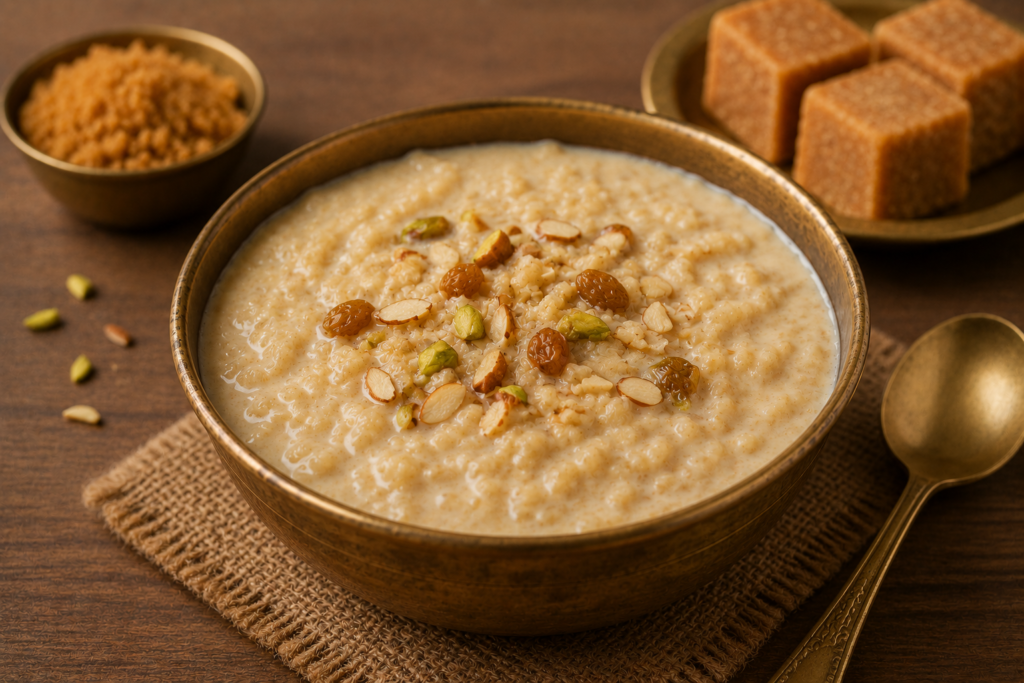
Rice Kheer Recipe
Common Mistakes to Avoid
Frequently Asked Questions
Why Cook with Pure Jaggery
Natural jaggery has been used in traditional Indian kitchens for centuries, appreciated for its distinctive earthy flavor and natural sweetness. Pure jaggery also melts smoothly when handled correctly, making it suitable for sweets, festive recipes, and winter treats.
From our manufacturing experience, we have noticed that fresh, well processed jaggery dissolves evenly and gives desserts a balanced sweetness without overpowering other ingredients. Choosing jaggery with a natural golden brown color and clean aroma usually leads to better cooking results.
Feature
Pure Jaggery
Refined Sugar
Flavor
Rich caramel taste
Plain sweetness
Traditional authenticity
Excellent
Low
Aroma
Natural sugarcane aroma
Almost none
Suitable for festive sweets
Yes
Limited
Texture in recipes
Soft and moist
Slightly dry
Gur Chawal Recipe
Ingredients
1 cup basmati rice
1 cup grated pure jaggery
2 tablespoons ghee
2 cups water
6 to 8 cashews
10 raisins
4 cardamom pods
A few chopped almonds
Method
Cook the rice until it is almost done and keep it aside. Heat ghee in a heavy pan and lightly roast the cashews and raisins. Add the cooked rice and mix gently. Stir in grated pure jaggery on low heat until it melts completely. Add crushed cardamom and mix carefully so the rice grains remain separate. Garnish with almonds before serving.
Practical Tip
Always reduce the heat before adding jaggery. Very high temperatures can make melted jaggery slightly hard after cooling and may affect the soft texture of the rice.
Til Ladoo Recipe
Ingredients
2 cups sesame seeds
1 cup grated pure jaggery
2 teaspoons ghee
Half teaspoon cardamom powder
Method
Dry roast the sesame seeds until they release a nutty aroma. Allow them to cool slightly. Melt jaggery with a small amount of ghee over low heat until smooth. Add cardamom powder and roasted sesame seeds. Mix thoroughly while the mixture is warm. Apply a little ghee to your palms and shape small round ladoos before the mixture cools.
Best Practice
If the mixture becomes difficult to shape, warm it gently for a minute instead of adding extra ghee. This helps maintain the traditional texture.
Rice Kheer Recipe
Ingredients
1 liter full cream milk
Quarter cup rice
Three quarter cup grated pure jaggery
6 to 8 chopped almonds
6 to 8 chopped pistachios
Half teaspoon cardamom powder
Method
Wash the rice and cook it slowly in milk until it becomes soft and creamy. After heating, remove the pan from the stove and let it cool slightly to achieve the desired consistency before proceeding. Add grated pure jaggery only after the milk is no longer boiling. Stir continuously until the jaggery dissolves. Add cardamom, almonds, and pistachios before serving.
Industry Insight
Our production team often recommends adding jaggery after the milk cools slightly. This simple step helps maintain a smooth consistency because very hot milk may curdle when mixed directly with jaggery.
Common Mistakes to Avoid
Using Poor Quality Jaggery
Jaggery with excessive moisture or an artificial shine may affect both taste and texture. Always choose clean and naturally processed jaggery from a trusted source.
Cooking on High Heat
Pure jaggery melts best over gentle heat. Excessive heat may change its flavor and texture.
Adding Jaggery Too Early
To prevent curdling in milk-based desserts like kheer, add jaggery only after the milk has cooled slightly rather than while it is boiling.
Ignoring Storage
To maintain the quality and shelf life of jaggery, store it in an airtight container in a dry, moisture-free environment. Proper storage helps preserve its flavor and keeps it easy to grate for recipes.
Mistake
Result
Better Practice
Adding jaggery to boiling milk
Milk may curdle
Cool milk slightly before adding jaggery
Cooking on high heat
Hard texture
Use low heat
Using poor quality jaggery
Weak flavor
Choose naturally processed pure jaggery
Improper storage
Moisture and spoilage
Store in an airtight container
Overcooking jaggery
Bitter taste
Melt gently over low heat
Frequently Asked Questions
Is pure jaggery better than refined sugar for traditional recipes?
Pure jaggery provides a richer flavor and traditional taste that refined sugar cannot easily match in many Indian desserts.
Can I use natural jaggery for daily cooking?
Yes. Natural jaggery can be used in desserts, breakfast dishes, festive recipes, and several regional sweets.
Why should jaggery be added after cooking milk?
Adding jaggery after the milk cools slightly helps prevent curdling and keeps the kheer smooth.
How can I identify good quality pure jaggery?
Look for a natural color, pleasant aroma, clean texture, and hygienic packaging. Avoid jaggery with excessive moisture or an unusually glossy appearance.
How long can pure jaggery be stored?
When kept in an airtight container in a cool and dry place, pure jaggery generally stays fresh for several months.
Select the fields to be shown. Others will be hidden. Drag and drop to rearrange the order.