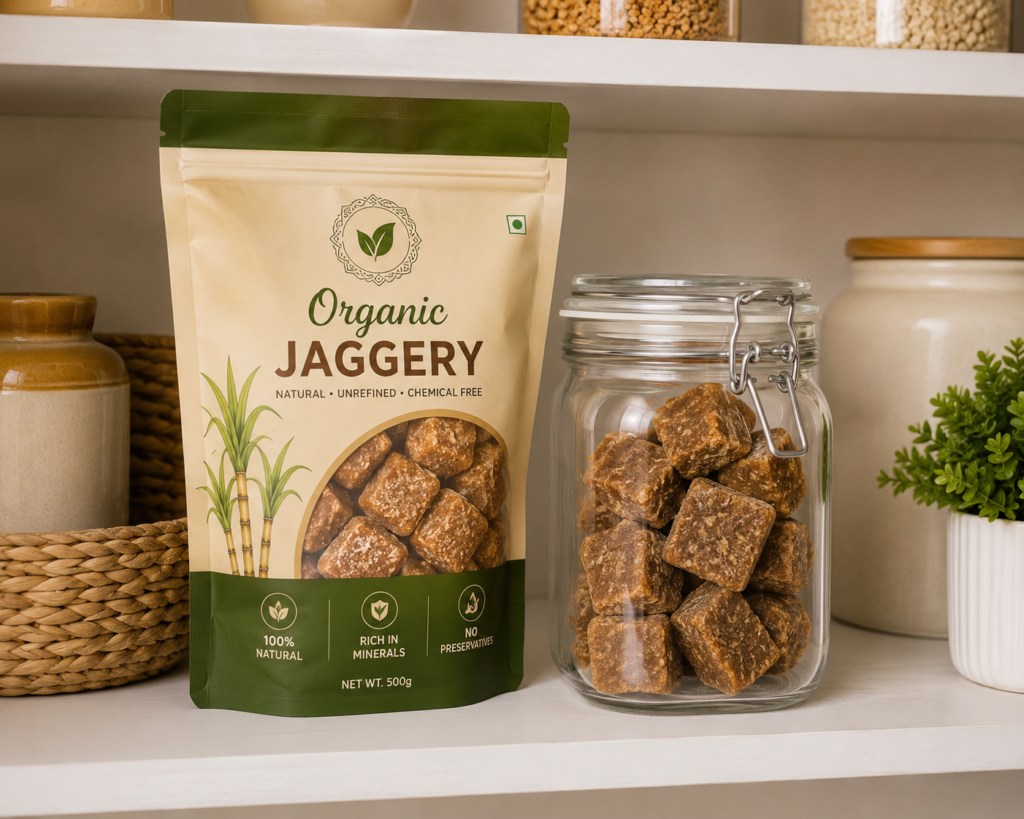
Learn how to choose the best jaggery for your family's everyday needs.
Choosing the best jaggery for your family is not as simple as picking the first pack on the shelf. The color, texture, aroma, ingredients, and manufacturing process all influence its quality. Since jaggery is a common sweetener in many Indian homes, selecting a pure product helps ensure better taste and consistent cooking results.
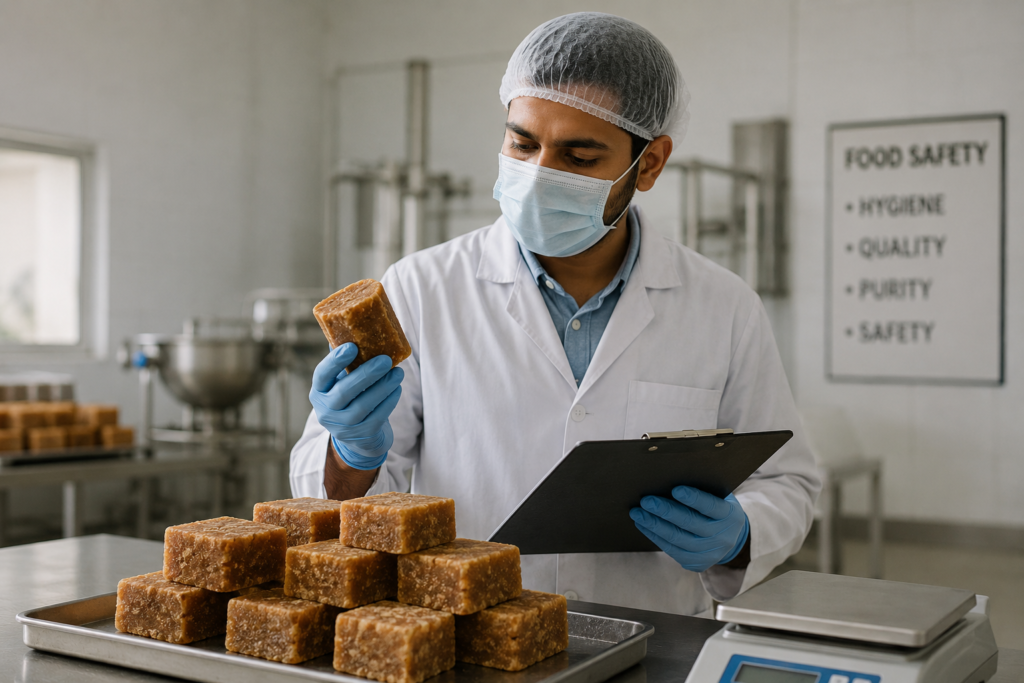
At Magic Jaggery, our team has spent more than four years working closely with farmers and production units. We have seen every stage of jaggery making, from selecting mature sugarcane to boiling fresh juice, packing, and quality inspection. Feedback from more than two lakh customers has also helped us understand what people expect from good quality jaggery.
Table of Contents
Why Quality Matters
Characteristics of the Best Jaggery
Common Signs of Poor Quality
A Simple Quality Checklist
Storage Tips
Frequently Asked Questions
Why Quality Matters
Jaggery is made by concentrating fresh sugarcane juice without heavy refining. Because the production process is relatively simple, the final quality depends greatly on the raw material and careful processing.
A well prepared jaggery product delivers a pleasant sweetness and natural aroma. On the other hand, poor manufacturing practices may affect flavor, texture, and shelf life. This is why understanding a few quality indicators can help you make better buying decisions.
Characteristics of the Best Jaggery
Natural Color
Many people assume darker jaggery is always better or lighter jaggery is always purer. In reality, color alone cannot determine quality.
Depending on the sugarcane variety, harvesting season, and cooking process, natural jaggery may range from golden brown to deep brown. Instead of focusing only on color, evaluate it along with other quality signs.
Fresh Aroma
The best jaggery has a mild sugarcane fragrance with a clean and pleasant smell.
If you notice a sour, fermented, or unusual odor, the product may have been stored improperly or processed under poor conditions.
Firm Yet Easy to Break
Fresh jaggery should feel firm while still breaking without excessive effort.
If it becomes unusually sticky, extremely soft, or develops too much moisture, storage conditions may not have been ideal.
Clean Ingredients
Always read the ingredient list before purchasing.
A quality product should clearly mention sugarcane jaggery without unnecessary additives. Transparent labeling also reflects responsible manufacturing practices.
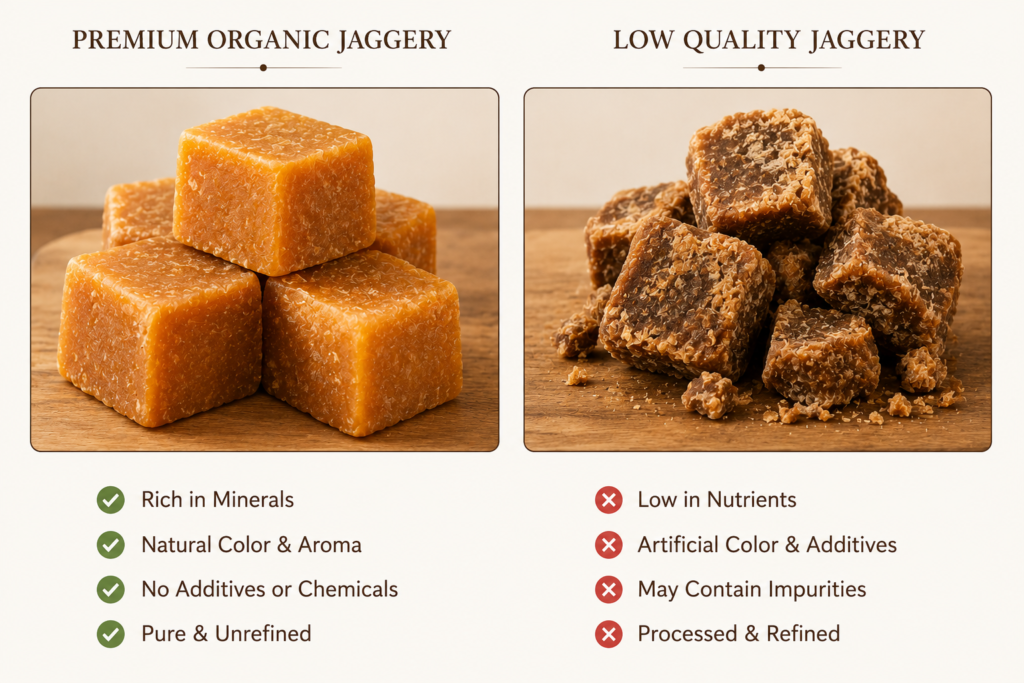
What Makes Good Quality Jaggery?
Feature
Good Quality Jaggery
Poor Quality Jaggery
Color
Natural golden to brown
Extremely bright or unnatural
Aroma
Fresh sugarcane smell
Sour or chemical smell
Texture
Firm and slightly soft
Sticky or excessively hard
Surface
Clean and smooth
Dusty or dirty
Ingredients
Pure sugarcane jaggery
Unclear ingredients
Packaging
Airtight sealed pack
Torn or loose packaging
Common Signs of Poor Quality
While shopping, watch for these warning signs.
Excessive Moisture
Too much moisture can shorten shelf life and affect texture.
Strong Artificial Smell
Pure jaggery should never have a chemical or perfume like fragrance.
Dirty Surface
Visible dust, dirt, or foreign particles suggest poor handling or packaging standards.
Poor Packaging
Damaged or loosely sealed packs may expose jaggery to air and moisture, reducing freshness over time.
A Simple Quality Checklist
Before buying jaggery, use this quick checklist.
Quality Factor
What to Look For
Color
Natural golden brown to dark brown
Aroma
Fresh sugarcane smell
Texture
Firm with slight softness
Ingredients
Pure sugarcane jaggery
Packaging
Properly sealed and clean
Label
Manufacturing and expiry details clearly printed
This checklist can help families compare different brands more confidently instead of relying only on appearance.
Quick Buying Checklist
Before Buying
Check
Ingredient list
Yes
Manufacturing date
Yes
Expiry date
Yes
Airtight packaging
Yes
Natural aroma
Yes
Clean appearance
Yes
Best Practices After Purchase
Buying good quality jaggery is only the first step. Proper storage helps preserve its freshness.
Keep jaggery in an airtight container after opening.
Store it in a cool and dry place away from direct sunlight.
Always use a dry spoon when handling jaggery.
Avoid exposing it to moisture since humidity may affect texture over time.
These simple habits help maintain quality for everyday cooking and beverages.
Frequently Asked Questions
How can I identify the best jaggery?
Look for natural aroma, clean packaging, proper labeling, firm texture, and simple ingredients instead of judging only by color.
Is dark jaggery better than light jaggery?
Not necessarily. Natural jaggery varies in color depending on sugarcane variety and the cooking process. Color alone does not indicate quality.
Why is packaging important?
Good packaging protects jaggery from moisture, dust, and contamination while helping maintain freshness.
How should jaggery be stored at home?
To maintain its quality and extend its shelf life, store it in an airtight container in a cool, dry place away from direct sunlight and moisture.
What should I check on the label?
Review the ingredient list, manufacturing date, expiry date, net weight, and food safety information before purchasing.
Select the fields to be shown. Others will be hidden. Drag and drop to rearrange the order.